





Wealth Management
For Singapore’s wealthy, longevity and liquidity go hand in hand
Many high-net-worth Singaporeans are living longer, which means more healthcare and more succession planning, making access to capital a priority
Singapore’s wealthy may own businesses, property, investments and trust structures, yet still face pressure when cash is needed quickly for healthcare, succession or a new phase of life.
New research from Manulife* suggests that, as lifespans increase, liquidity is becoming a defining pillar of financial resilience. Increasingly, the country’s high-net-worth individuals (HNWIs) are less concerned with the size of their wealth than with its accessibility.
Longer lives extend the
cashflow horizon
“People need to provide for a longer period where they will not be in gainful employment. That comes with a great deal of uncertainty,” says Bryan Goh, CEO of the Tsao family office. Singapore’s HNWIs are the most likely in the region to plan to work beyond the traditional retirement age in order to fund this extended cashflow horizon.
Particularly for those who remain active through entrepreneurial reinvention, advisory roles or investment management, there can be an increasing number of transition points. For example, a quarter of Singapore’s HNWIs plan to start a new venture after finishing their main career. Naturally, such plans require deployable cash.
And as HNWIs enter their extended later phase of life, they will inevitably have unpredictable needs. Capital may be required at short notice for medical treatment, caregiving or succession events. Singapore’s wealthy are more concerned than average about managing rising healthcare and long-term care costs: 55 per cent say it is a top concern, compared with 52 per cent across the sample. Such requirements demand a plan to increase liquidity as these events become more likely with the passing years.

Bryan Goh
CEO of the Tsao family office
Building liquidity into
the balance sheet
Given their circumstances, Singapore’s HNWIs recognise the need for structures that offer liquidity. Sixty-five per cent rank life insurance among the top three most efficient financial vehicles when planning for a longer life. As part of a broader legacy planning strategy, life insurance can create liquidity for unexpected events, helping beneficiaries avoid difficult financial decisions at challenging times. According to the research, estate liquidity, business succession and longevity/healthcare protection fall within the top three use cases for Singapore HNWIs.
“Life insurance provides liquidity at critical moments and brings certainty to the transfer of wealth,” explains Frank O’Neill, Chief Product Officer at Manulife Singapore. “Its role is not to outperform investments, but to ensure the broader wealth plan can endure across generations.”
This distinction is important. Liquidity planning is not simply about holding more cash, but also creating a balance sheet that can withstand stress. Families should earmark assets that they can access quickly. They should also be balancing their portfolios with assets that can create a store of liquidity for emergency use.
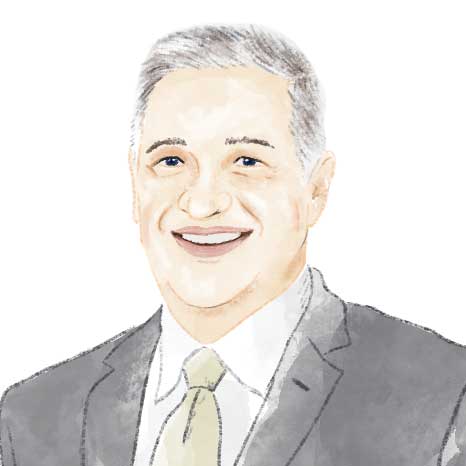
Frank O’Neill
Chief Product Officer, Manulife Singapore
The test of resilience
For Singapore’s HNWIs, the ultimate test of liquidity is not the size of the balance sheet, but its flexibility and resilience under pressure. Is there liquidity to fund all and any of the eventualities we have set out above? If the answer is unclear, then more deliberate liquidity planning should be high on the family office’s agenda.
This is where financial consultants can add value. By mapping assets, identifying potential cash needs and designing structures that build resilience, they can help families stress-test their balance-sheet liquidity for a longer future.
*In April and May 2026, Manulife surveyed 1,000 High Net Worth / Mass Affluent Individuals based in Australia, China, Japan, India, Hong Kong, Malaysia, Singapore, South Korea, Taiwan, Thailand and the UAE to explore their wealth strategies. Respondents were aged between 18 to 80+ and had net worths ranging from $3mn to $50mn+. This article draws on findings from the survey’s 250 Singapore-based respondents.

